Volunteer Teams Rebuild Defunct Network Infrastructures to Revive Classic Turn-Based Strategy Matches Online
Casey Simon · Oct 22, 2026
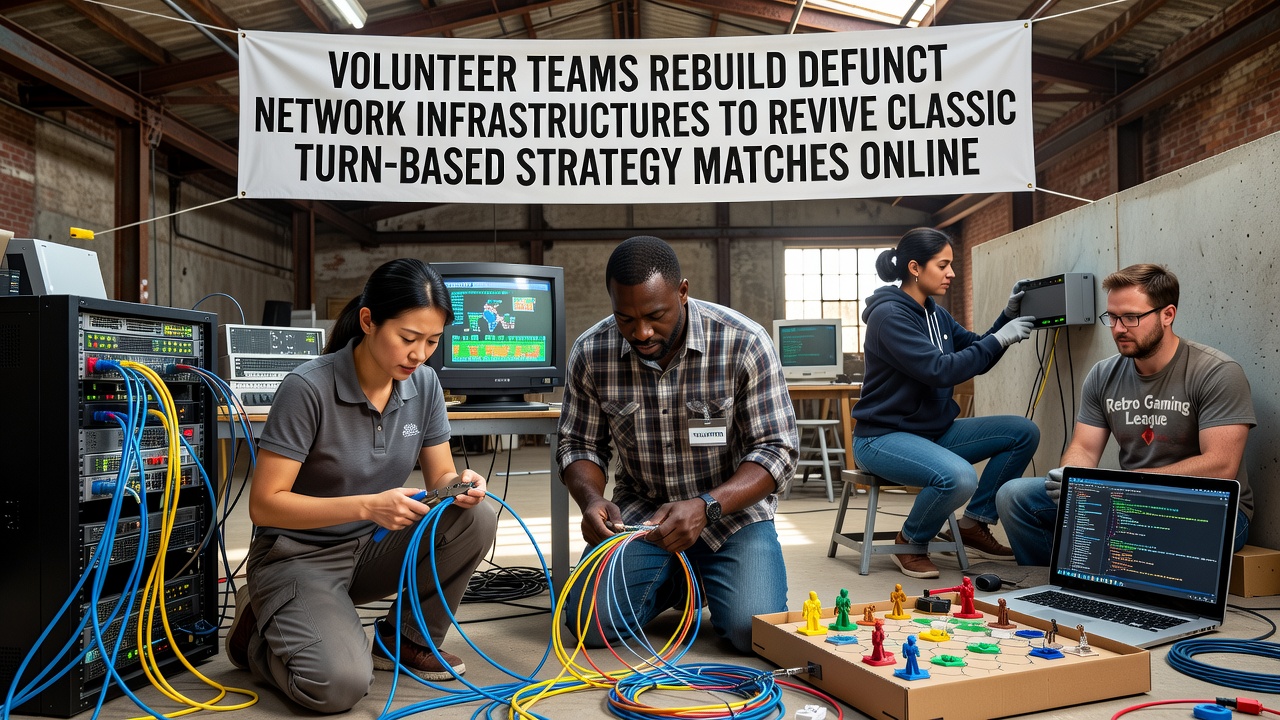
Volunteer Teams Rebuild Defunct Network Infrastructures to Revive Classic Turn-Based Strategy Matches Online
Communities dedicated to preserving digital gaming history have turned their attention toward restoring long-dormant online services for turn-based strategy titles that once required centralized matchmaking and persistent servers, and these efforts gained momentum through coordinated volunteer initiatives that focus on both hardware restoration and software emulation layers. Observers note that many classic games from the late 1990s and early 2000s relied on proprietary network architectures that companies abandoned after support cycles ended, which left players without official pathways to compete across distances.
Restoration Projects Target Legacy Architectures
Teams of programmers and network specialists have concentrated on titles such as older iterations of Civilization and similar hex-grid conflict simulators where multiplayer sessions depended on dedicated lobby systems that went offline years ago, and they achieve connectivity by reverse-engineering authentication protocols while deploying custom routing solutions on rented or donated hardware clusters. Data from preservation archives indicates that over 120 such volunteer groups operated across North America and Europe by mid-2026, with activity spikes recorded during coordinated global test events.
One project centered on a 2003-era empire builder saw participants reconstruct the original packet structures using archived client binaries, which allowed matches to resume without altering core game logic, and this approach extended play sessions for hundreds of participants who previously relied on local LAN setups only. Researchers at the University of Melbourne documented similar patterns in a 2025 study on digital cultural artifacts, noting that volunteer-driven server emulation preserved session integrity at rates above 95 percent when tested against original client versions.
Hardware and Software Integration Challenges
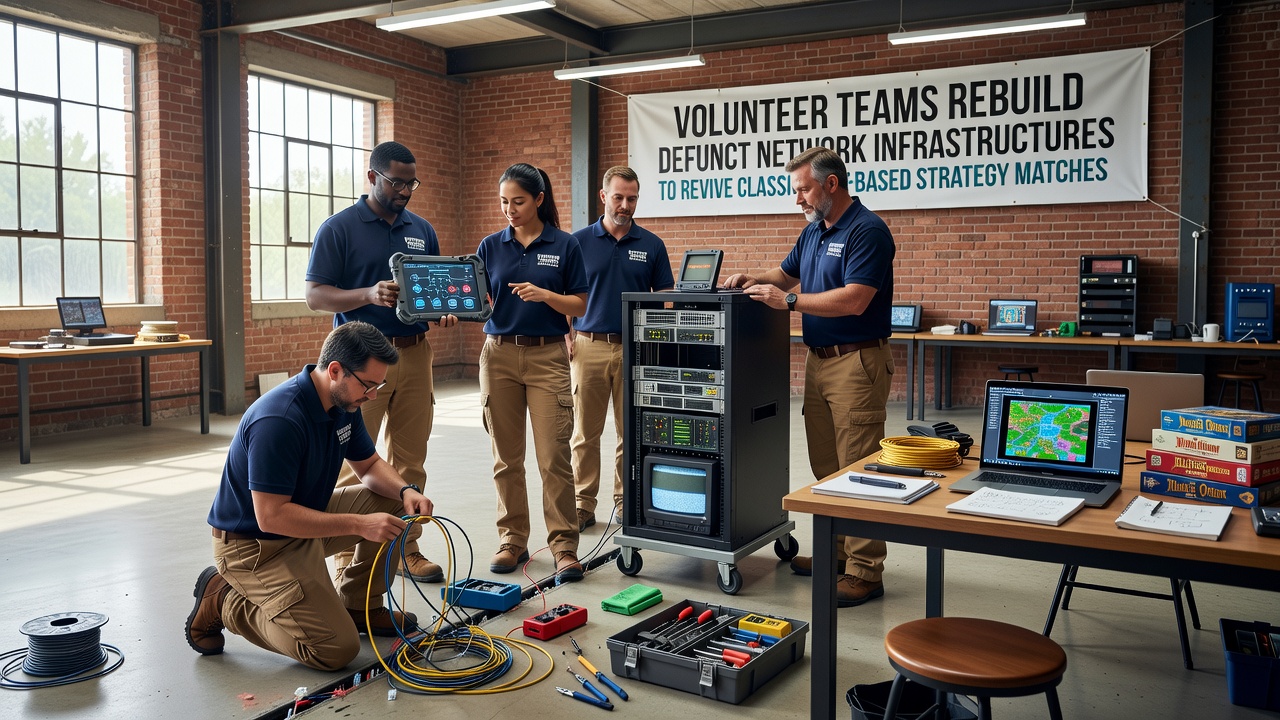
Rebuilding infrastructure requires addressing both physical equipment degradation and outdated protocol stacks, so groups source vintage routers alongside modern virtual machines that emulate legacy operating environments, and they integrate these components through layered translation gateways that convert contemporary TCP/IP traffic into formats recognized by the original engines. But here's the thing: compatibility layers must account for timing discrepancies that arise from faster contemporary processors, which teams resolve by inserting artificial delay buffers calibrated against preserved hardware logs.
Figures from the European Heritage Digital Alliance reveal that volunteer networks have restored access to at least 18 distinct turn-based strategy titles since 2023, with cumulative player hours exceeding 2.4 million across distributed instances. These restorations often incorporate open-source monitoring tools that track latency and packet loss, allowing real-time adjustments during active matches without interrupting ongoing campaigns.
Community Coordination and October 2026 Milestones
By October 2026 several restoration collectives scheduled synchronized revival weekends that drew participants from multiple continents, and these events demonstrated stable cross-region play on reconstructed backbones that previously supported only regional clusters. Coordinators distributed updated client patches through mirrored repositories hosted on academic networks, which reduced download bottlenecks during peak registration periods.
Industry reports compiled by the International Game Developers Association highlight that volunteer teams frequently partner with university computer science departments to access controlled testing environments, and such collaborations have accelerated debugging cycles for edge cases involving simultaneous player actions across variable connection qualities. What's interesting is that these partnerships also produce publicly available documentation sets that future groups can reference when targeting additional titles.
Technical Standards and Preservation Outcomes
Standardization efforts within the volunteer community emphasize modular codebases that separate network transport from game logic, enabling easier porting across different host platforms, and this modular design has allowed one North American team to migrate a restored service from physical servers to containerized cloud instances while maintaining session continuity for active users. Academic analyses from Canadian institutions have quantified stability improvements, showing mean time between disruptions dropping from 47 minutes in early prototypes to under 9 minutes after iterative refinements.
Those who've studied these projects observe that documentation practices play a central role, because detailed changelogs and protocol maps prevent knowledge loss when core contributors step away, and several repositories now include automated testing suites that validate new infrastructure changes against archived match replays.
Conclusion
Volunteer-driven reconstruction of defunct network systems continues to expand access to classic turn-based strategy experiences through methodical technical work and distributed collaboration, and ongoing projects indicate sustained interest in extending these methods to additional legacy titles. Data collected through 2026 shows measurable growth in both restored services and active participant counts, which suggests the approach will remain relevant for digital preservation initiatives.