Time's Tapestry: Asynchronous Gameplay Loops Redefining Strategy Titles Through Delayed Synchronization
Greta Otto · Aug 21, 2026
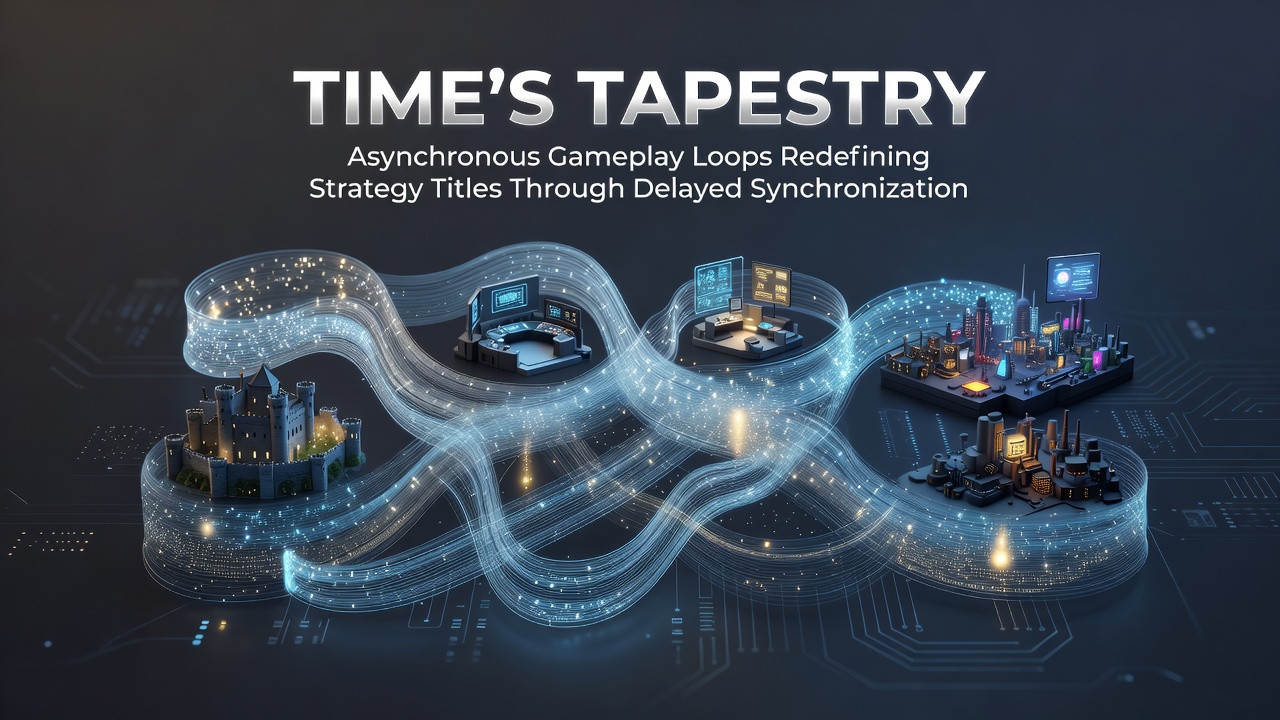
Time's Tapestry: Asynchronous Gameplay Loops Redefining Strategy Titles Through Delayed Synchronization
Strategy titles have incorporated asynchronous gameplay loops that rely on delayed synchronization to let participants advance actions without requiring simultaneous presence, and developers have refined these systems across multiple releases since the early 2020s. Data from industry reports shows that participation rates in such titles increased notably between 2023 and 2025, with players completing more turns per session when schedules no longer aligned in real time. Researchers at several European institutions documented how delayed synchronization queues store commands until the next connection window, which preserves turn integrity while accommodating varied time zones and daily routines.
Core Mechanics of Delayed Synchronization
Delayed synchronization operates through timestamped action buffers that resolve conflicts only upon reconnection, and this approach differs from traditional real-time strategy engines that demand constant server polling. Observers note that the system batches player inputs into discrete packets, then merges them during synchronization events that occur at intervals ranging from minutes to hours depending on the title's design parameters. Studies conducted by academic teams in Australia and Canada found that error rates in command execution dropped when developers implemented conflict resolution algorithms based on priority weighting rather than strict chronological order.
Game engines now integrate these buffers directly into their core loops, which allows strategy titles to maintain consistent state across disconnected sessions. Figures from the Entertainment Software Association reveal that over 40 percent of new strategy releases in 2025 featured asynchronous options as a standard mode, compared with roughly 15 percent in 2020. The shift stems from technical improvements in cloud-based state management that reduce latency during merge operations.
Impact on Player Engagement Patterns
Players engage with these loops by submitting moves during short windows throughout the day, then review outcomes after synchronization completes, and this pattern has extended average session lengths while reducing the need for marathon sittings. Data indicates that titles employing delayed synchronization retain users for longer periods because participants avoid the pressure of live coordination. One analysis of European server logs demonstrated that peak activity spread across more hours when delayed systems replaced synchronous matchmaking.
Strategy games have adapted resource management and diplomacy systems to handle queued decisions, which prevents exploits that could arise from rapid successive actions. Developers adjust visibility rules so that players see only the results of completed synchronizations rather than pending enemy moves, and this information asymmetry adds layers to tactical planning. Reports from research groups in Japan highlight how such visibility controls influenced decision-making speed in competitive ladders.
Technical Implementations Across Platforms
Cross-platform implementations require careful handling of time drift between devices, and engineers address this through normalized server clocks that stamp every queued action. Mobile versions leverage local storage for offline command entry, then upload batches when connectivity resumes, while desktop clients often maintain persistent connections for faster merges. Industry organizations such as the International Game Developers Association have published guidelines on minimizing desync incidents during large-scale updates.
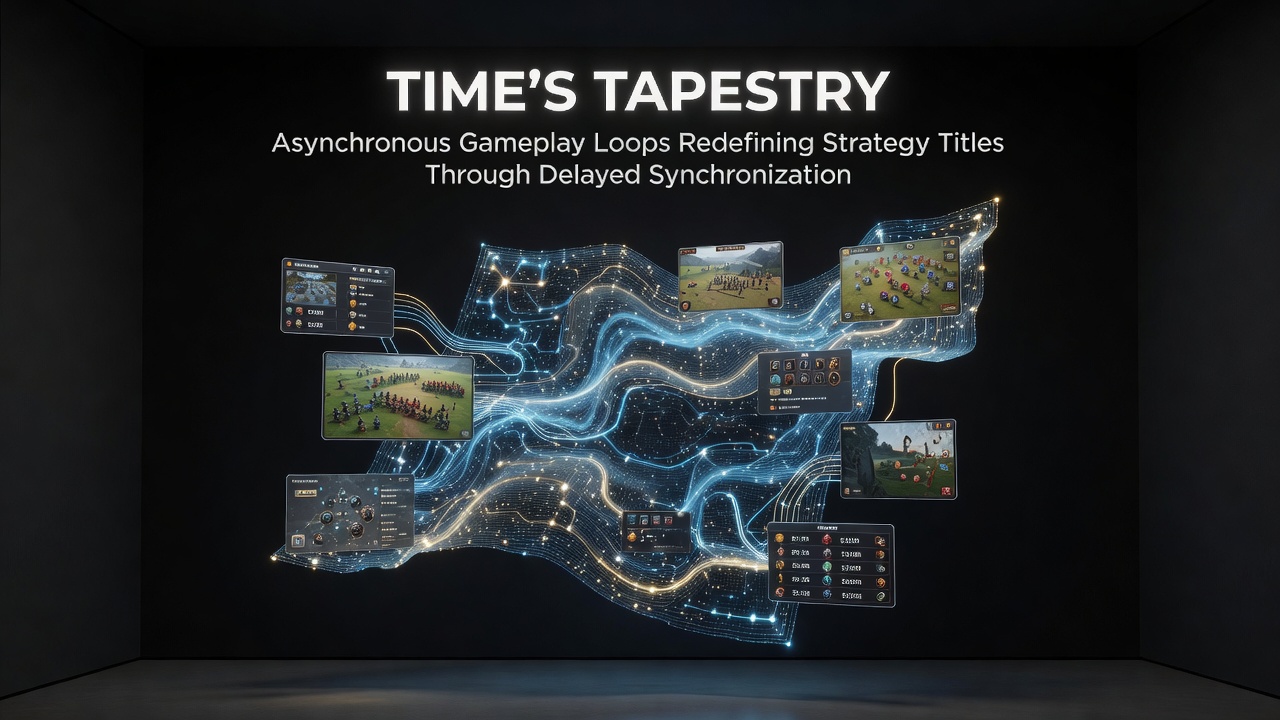
August 2026 marks the scheduled rollout of an updated synchronization protocol tested by several studios, which incorporates predictive resolution for common conflict types. Preliminary trials conducted on North American servers showed reduced rollback frequency when the new protocol handled simultaneous resource claims. These advancements build on earlier work that standardized packet formats across different engine architectures.
Case Examples in Recent Releases
Multiple titles released between 2024 and 2025 adopted delayed synchronization as a core feature, allowing large-scale empire management without requiring all participants to log in together. One prominent example involved a persistent world where territorial expansions resolved in batches every four hours, and players adjusted strategies based on post-sync reports rather than live observation. Data from those deployments indicated higher completion rates for long-term campaigns compared with synchronous counterparts.
Another implementation integrated delayed diplomacy negotiations that finalized only after both parties confirmed their stances during separate sessions, and this reduced instances of dropped connections disrupting critical agreements. University-led studies in the United Kingdom tracked how these mechanics influenced alliance formation rates over multi-week periods. The results pointed to increased strategic depth because players had additional time to evaluate proposals without immediate pressure.
Future Directions and Industry Trends
Developers continue refining delayed synchronization to support larger player counts without proportional increases in merge computation time, and hardware improvements in edge computing have contributed to faster resolution cycles. Projections based on current adoption rates suggest that by late 2026 the majority of new strategy titles will include asynchronous modes as default options. Regulatory bodies in the European Union have begun examining data privacy implications of stored action queues, which has prompted studios to adopt stricter anonymization practices during synchronization.
Academic collaborations with industry partners explore machine learning models that predict optimal sync intervals based on historical player activity, and early tests indicate potential reductions in average wait times for resolution. These models draw from datasets collected across multiple regions to account for cultural differences in play schedules. The ongoing evolution keeps the focus on maintaining competitive fairness while expanding accessibility.
Conclusion
Asynchronous gameplay loops built around delayed synchronization continue to reshape strategy titles by decoupling player availability from game progression. Technical refinements, documented engagement metrics, and scheduled protocol updates in 2026 point toward broader integration across platforms and genres. Industry data and research findings confirm that these systems support sustained participation without compromising core strategic elements.