Piezoelectric Actuators: Delivering Nuanced Force Feedback in Competitive Fighting Game Setups
Casey Simon · Aug 16, 2026
Piezoelectric Actuators: Delivering Nuanced Force Feedback in Competitive Fighting Game Setups
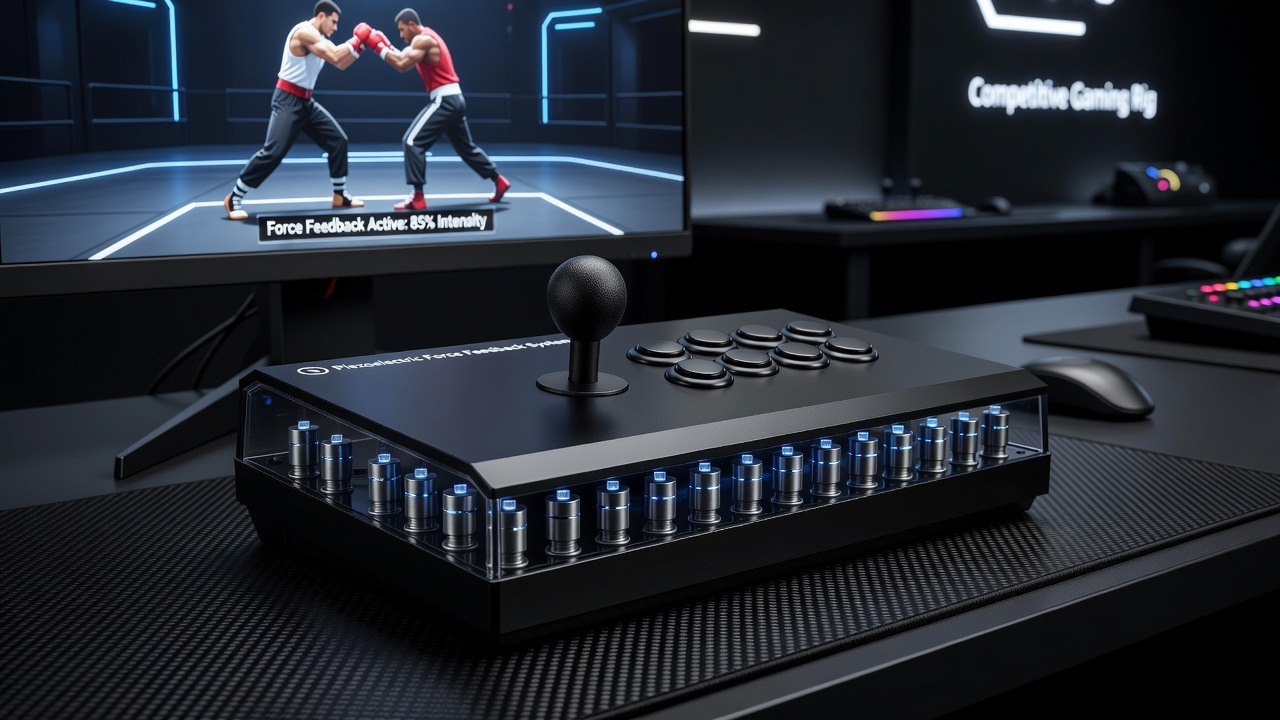
Competitive fighting game setups rely on precise input devices that translate player commands into on-screen actions, yet the addition of force feedback introduces another layer where piezoelectric actuators stand out for their speed and accuracy. These components convert electrical signals directly into mechanical motion through the piezoelectric effect, allowing rapid and controlled resistance or vibration that matches specific in-game events such as blocked attacks or character impacts.
Engineers integrate these actuators into fight sticks and specialized controllers to deliver tactile cues without the bulk or latency associated with traditional motors. Research published in materials science journals shows that piezoelectric materials respond in microseconds, a timeframe that aligns with the frame-perfect timing demands common in titles like Street Fighter and Tekken.
Core Operating Principles Behind the Technology
Piezoelectric actuators function when voltage applied across certain crystals causes them to deform, producing measurable displacement and force. In fighting game hardware this deformation creates opposing pressure against a player's fingers or wrists, simulating the weight of a parry or the recoil from a heavy special move. Data collected from laboratory tests indicate response frequencies exceeding 1 kHz, which exceeds typical human tactile perception thresholds and therefore feels immediate during play.
Manufacturers combine multiple actuators of varying sizes within a single device to produce layered sensations, ranging from subtle tension to sharp pulses. Circuit designs often incorporate custom drivers that modulate voltage waveforms, enabling fine gradations of force rather than binary on-off states. Observers note that such granularity helps players distinguish between different defensive options without relying solely on visual or audio cues.
Integration Patterns in Professional Tournament Hardware
During the August 2026 EVO Championship Series, several top competitors used modified controllers featuring embedded piezoelectric modules supplied by specialized peripheral firms. These units connected through standard USB interfaces while drawing minimal additional power from the host system, a detail confirmed in teardown analyses shared by hardware reviewers. The actuators sat beneath button assemblies and within the joystick housing, delivering directional feedback aligned to on-screen hit reactions.
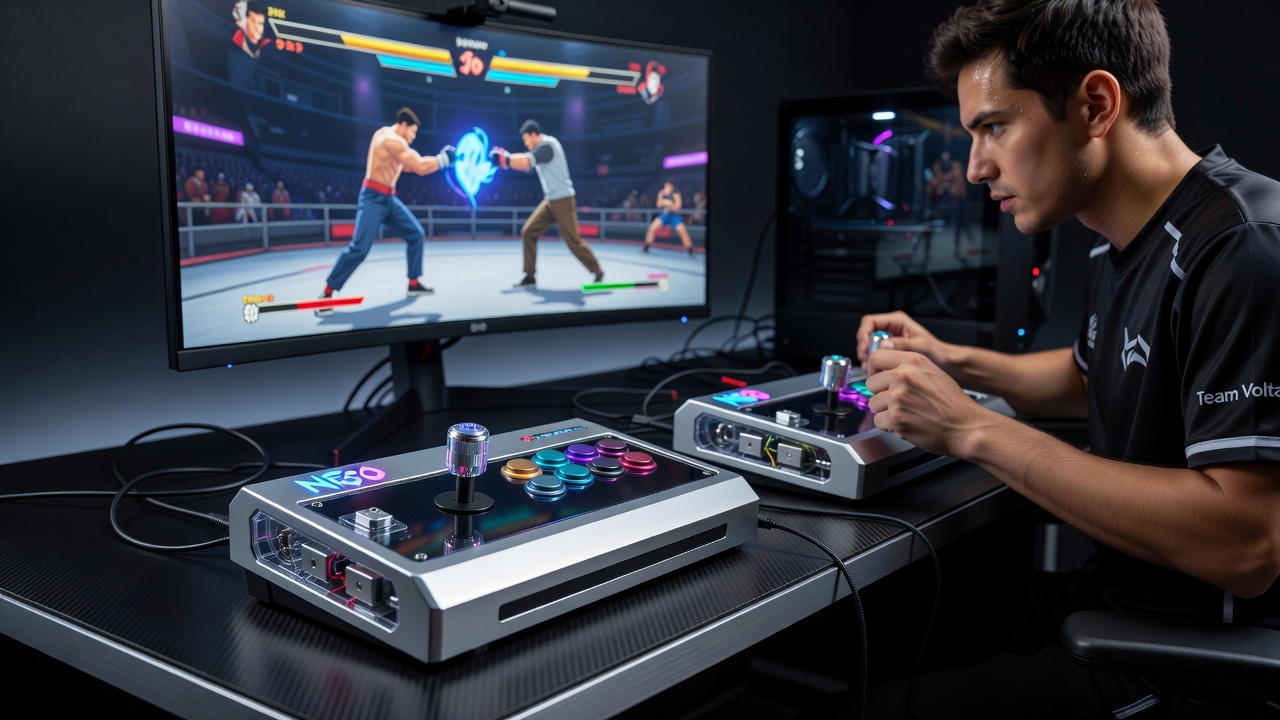
Teams calibrate each actuator array through software profiles that map game engine events to specific voltage patterns. One documented case involved a Japanese development group that synchronized actuator output with frame data extracted directly from the game client, ensuring feedback arrived within the same rendering window as the visual animation. Figures released by the research team showed average latency reductions of 4 milliseconds compared with electromagnetic alternatives.
Performance Metrics and Comparative Data
Independent laboratory evaluations place piezoelectric actuators ahead of voice-coil and linear resonant actuators on metrics such as settling time and energy efficiency. A 2025 study conducted at a Canadian engineering institute measured peak force output at 3.2 newtons while consuming under 150 milliwatts during continuous operation, numbers that matter when devices must remain cool during extended tournament sets. Players who tested both actuator types reported clearer differentiation between light and heavy attacks when piezoelectric elements were present.
Durability testing under repeated high-frequency cycling revealed minimal degradation after 50 million actuations, a figure relevant to professional players who log thousands of hours annually. Maintenance logs from equipment vendors indicate that replacement intervals extend further than those observed with brushed motors, reducing downtime between major events.
Emerging Design Trends and Component Availability
Component suppliers have begun offering pre-packaged actuator stacks calibrated specifically for fighting game applications, complete with standardized mounting brackets and connector pinouts. European hardware collectives have published open-source schematics that pair these stacks with common microcontroller platforms, allowing smaller teams to prototype custom feedback profiles without starting from raw materials. Supply chain reports from August 2026 show stable lead times for the most common lead-zirconate-titanate formulations despite increased demand from the broader haptics sector.
Software toolkits now include dedicated APIs that expose actuator channels to game engines, letting developers author feedback events directly inside their title pipelines. This direct mapping approach eliminates intermediate translation layers that previously introduced timing jitter, according to documentation released by one mid-sized studio working on a new 2D fighter.
Conclusion
Piezoelectric actuators continue to expand the range of tactile information available inside competitive fighting game controllers through their combination of speed, precision, and compact form factors. Tournament hardware incorporating these elements demonstrates measurable improvements in response characteristics while remaining compatible with existing power and connectivity standards. Ongoing refinements in both materials and control software point toward further integration across additional input device categories in the coming competitive seasons.