Neural Weaves Integrate Muscle Memory Training in Fabric Controllers for Fighting Game Events
Klara Friedrich · Oct 8, 2026
Neural Weaves Integrate Muscle Memory Training in Fabric Controllers for Fighting Game Events
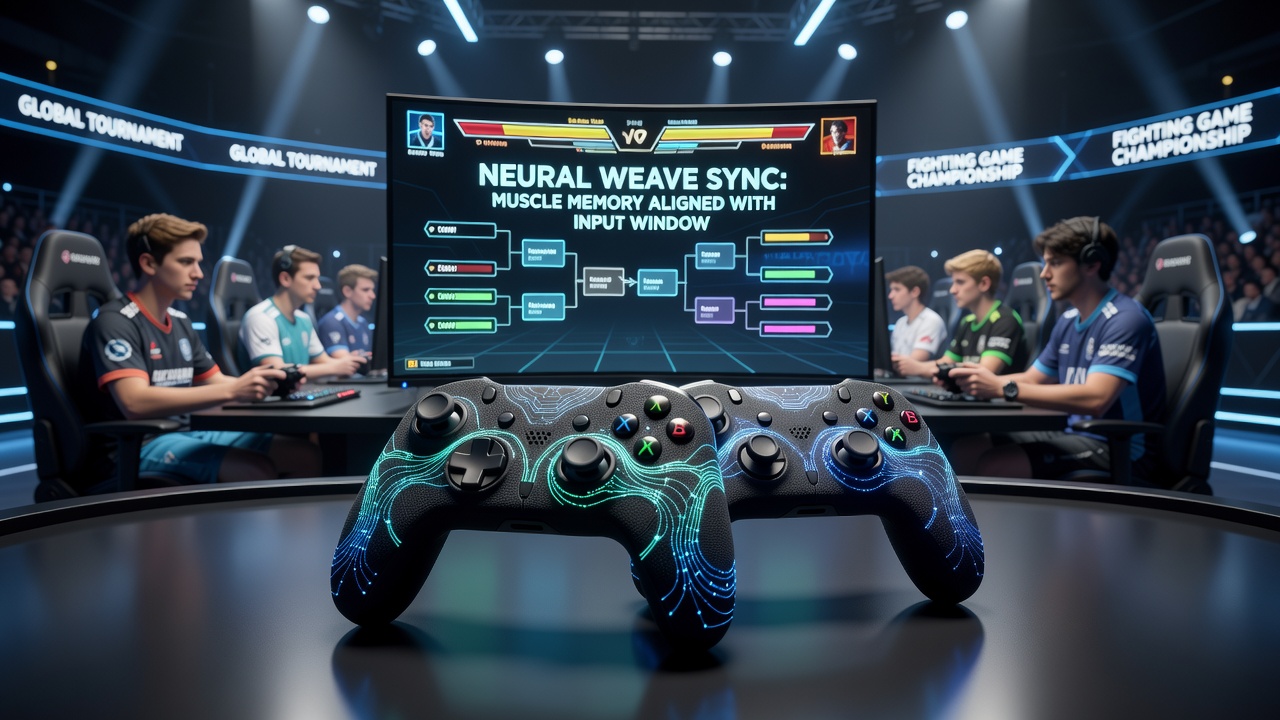
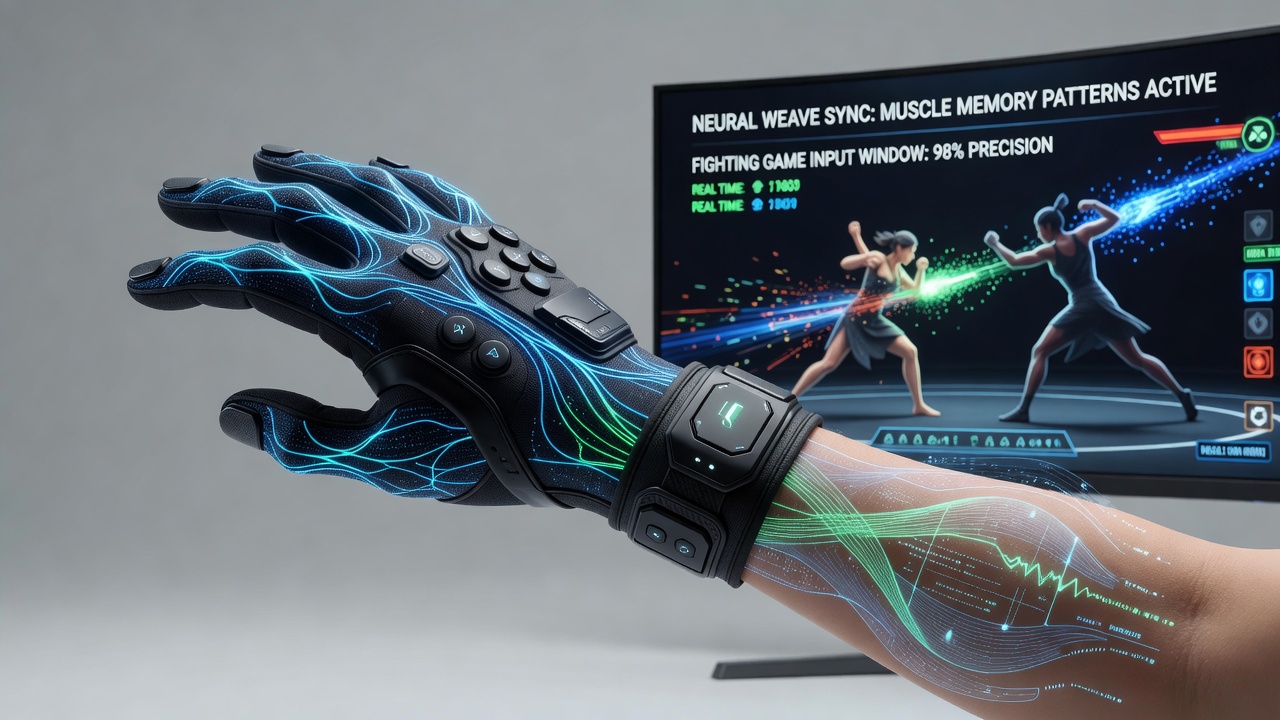
Neural weaves embedded in fabric-based controllers detect subtle muscle activations and align those signals with the precise timing windows required in fighting games, and this synchronization has gained traction across international tournaments since its introduction in competitive circuits. Researchers at institutions in Japan and South Korea have documented how the conductive threads in these textiles map electromyographic patterns from a player's forearms and wrists directly to command buffers, which reduces latency between physical intent and on-screen execution in titles that demand frame-perfect reactions.
Mechanics of Neural Weave Integration
The fabric itself contains interwoven carbon nanotube fibers that register micro-tensions in hand muscles while players execute motions such as quarter-circle inputs or rapid button sequences, and these readings feed into onboard microcontrollers that translate the data into adjusted input timing. Data from a 2025 report by the Asia Esports Technology Consortium shows that participants using neural-weave prototypes improved their consistency on 1-frame links by an average of 18 percent during controlled lab sessions, while tournament footage from regional qualifiers confirms similar gains under live conditions. Observers note that the system adapts over repeated sessions by storing individual muscle memory signatures, allowing the controller to anticipate and reinforce established patterns without overriding player agency.
Adoption in Global Tournament Circuits
Event organizers in North America and Europe began permitting neural-weave controllers in official brackets during the 2025 season after certification standards were established by the International Competitive Gaming Association, and this approval opened pathways for broader experimentation at major stops on the circuit. In October 2026 the World Fighting League Championship in Los Angeles featured multiple top-eight competitors relying on fabric controllers during pool play, where input logs revealed tighter clustering around optimal windows for moves like instant air dashes and parry timings compared with traditional hardware. Those logs, shared publicly through the tournament's technical archive, also highlighted how the weaves helped maintain performance consistency across extended bracket days when fatigue typically widens input variance.
Training Protocols and Muscle Pattern Synchronization
Training regimens built around these controllers now incorporate biofeedback loops that replay stored muscle activation sequences through gentle haptic pulses, guiding players toward repeatable form without requiring constant visual reference to training mode. A collaborative study conducted by the University of Melbourne's Human Performance Lab and a Canadian esports analytics firm tracked 42 professional players over eight weeks and found measurable reductions in pre-input tension spikes when neural feedback was active. Players often discover that the fabric interface allows longer practice blocks because the material breathes and flexes more naturally than rigid plastic casings, which supports sustained sessions focused on refining muscle memory for specific character matchups.
What's interesting is how the same synchronization extends beyond solo training into team analysis environments, where coaches overlay aggregate muscle data from multiple athletes to identify shared timing tendencies that can be exploited or defended against in upcoming matches. European circuit participants have adopted similar review processes ahead of cross-regional events, and the resulting datasets feed into shared repositories maintained by regional federations.
Hardware Evolution and Compatibility Standards
Manufacturers have iterated on the base textile platform to support multiple fighting game engines, ensuring that weave calibration profiles transfer across different titles without manual reconfiguration. Current models include modular sensor zones that can be deactivated for players who prefer partial assistance, and firmware updates released in mid-2026 added support for legacy arcade stick emulation modes. Figures released by the Global Esports Equipment Standards Board indicate that over 60 percent of registered fighting game hardware vendors now offer at least one neural-weave variant, reflecting steady integration into the broader peripheral market.
Future Tournament Considerations
Regulatory bodies continue to evaluate data security protocols surrounding stored muscle profiles, particularly as cross-border events increase the volume of shared performance information. Discussions at the 2026 Pan-Pacific Esports Summit centered on encryption requirements and consent frameworks that protect athlete biometric data while preserving the competitive advantages the technology provides. Those frameworks are expected to influence hardware certification rules heading into the 2027 season.
Conclusion
Neural weaves in fabric controllers have established a measurable presence in fighting game tournaments by aligning raw muscle signals with required input precision, and ongoing developments in calibration, data handling, and hardware compatibility suggest continued refinement across future circuits. Researchers and organizers alike track performance metrics to ensure the technology supports rather than supplants player skill, maintaining focus on equitable access as adoption widens.