Holographic Projection Tables Facilitate Collaborative Strategy Planning in Team-Based Online Tournaments
Sam Peters · Aug 11, 2026
Holographic Projection Tables Facilitate Collaborative Strategy Planning in Team-Based Online Tournaments
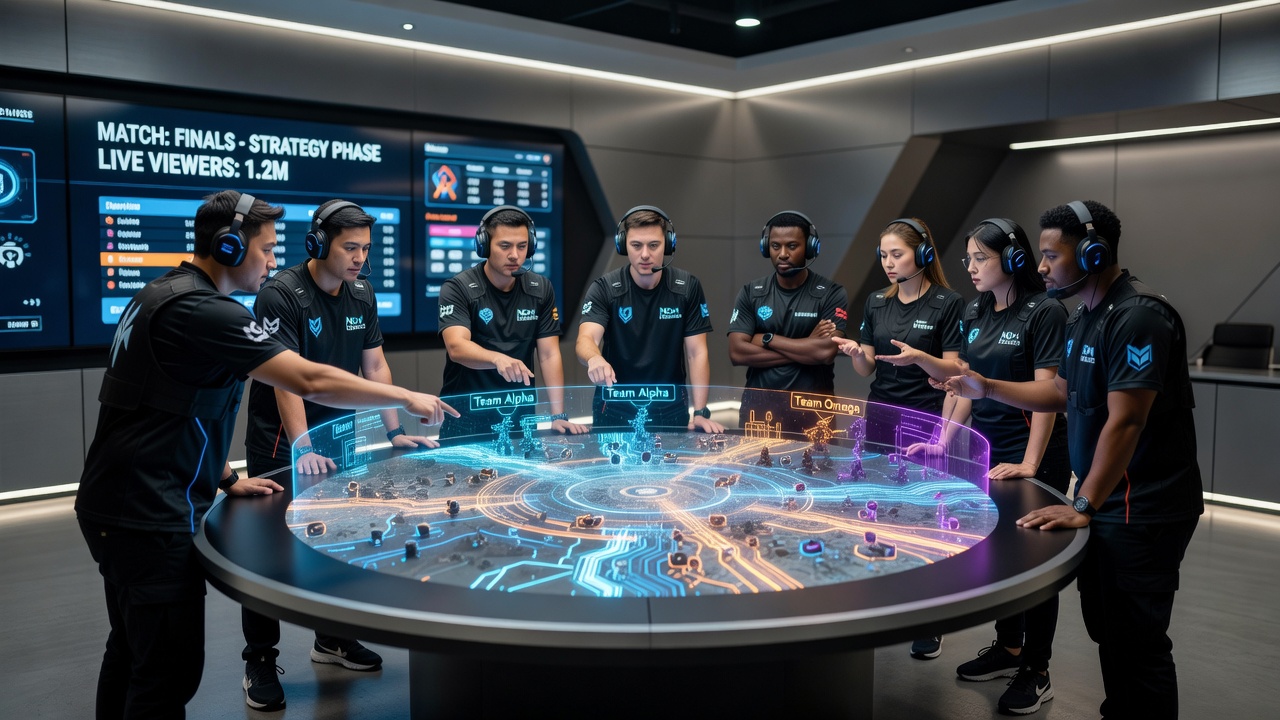
Teams competing in online tournaments have turned to holographic projection tables as tools that render three-dimensional models of game environments directly above a shared surface. These systems combine laser-based projectors with motion-tracking sensors, allowing multiple users to view and manipulate virtual elements without headsets or individual screens. Data from industry reports indicate that adoption rates in professional circuits rose steadily through 2025, driven by hardware improvements that lowered latency below 20 milliseconds. The tables operate by projecting light fields that create floating images viewable from multiple angles. Software layers map real-time game data onto these projections, so players see terrain features, unit positions, and movement paths updated as matches progress. Engineers at several hardware firms integrated multi-user gesture recognition, which lets participants rotate models or highlight zones by moving their hands through the projected space. Research conducted at the University of Tokyo's media lab shows that this shared visual field reduces miscommunication during briefings compared with traditional two-dimensional maps displayed on monitors.Integration into Tournament Workflows
Event organizers began incorporating holographic tables into preparation areas for major events scheduled in August 2026, including regional qualifiers for global multiplayer leagues. Teams receive dedicated setup periods before matches, during which analysts load custom datasets pulled from previous games. The projections support layered information, so coaches can toggle between overview maps and detailed statistics without switching devices.
Observers note that the format encourages simultaneous input from all members, because everyone sees the same three-dimensional representation at once. A study published by the IEEE Computer Society in early 2026 documented sessions where coordination time dropped by an average of 12 percent when teams switched from flat displays to holographic models. The same report highlighted that smaller squads, often operating with limited staff, gained the most from the ability to annotate paths collaboratively in real time.Technical Components and Data Handling
Current models rely on arrays of micro-LED projectors paired with infrared cameras that track hand positions at 120 frames per second. Processing units run optimized rendering engines that pull live telemetry feeds from game servers, converting coordinates into volumetric visuals. Bandwidth requirements remain modest because the systems compress spatial data before transmission, allowing remote team members to join sessions through linked cloud instances.
Security protocols encrypt all projected content, and organizers apply access controls that prevent unauthorized viewing of strategy assets. Figures released by the National Research Council Canada reveal that 78 percent of surveyed esports organizations cited data protection features as a primary factor when evaluating new planning hardware. These measures align with broader industry standards for handling proprietary playbooks in competitive environments.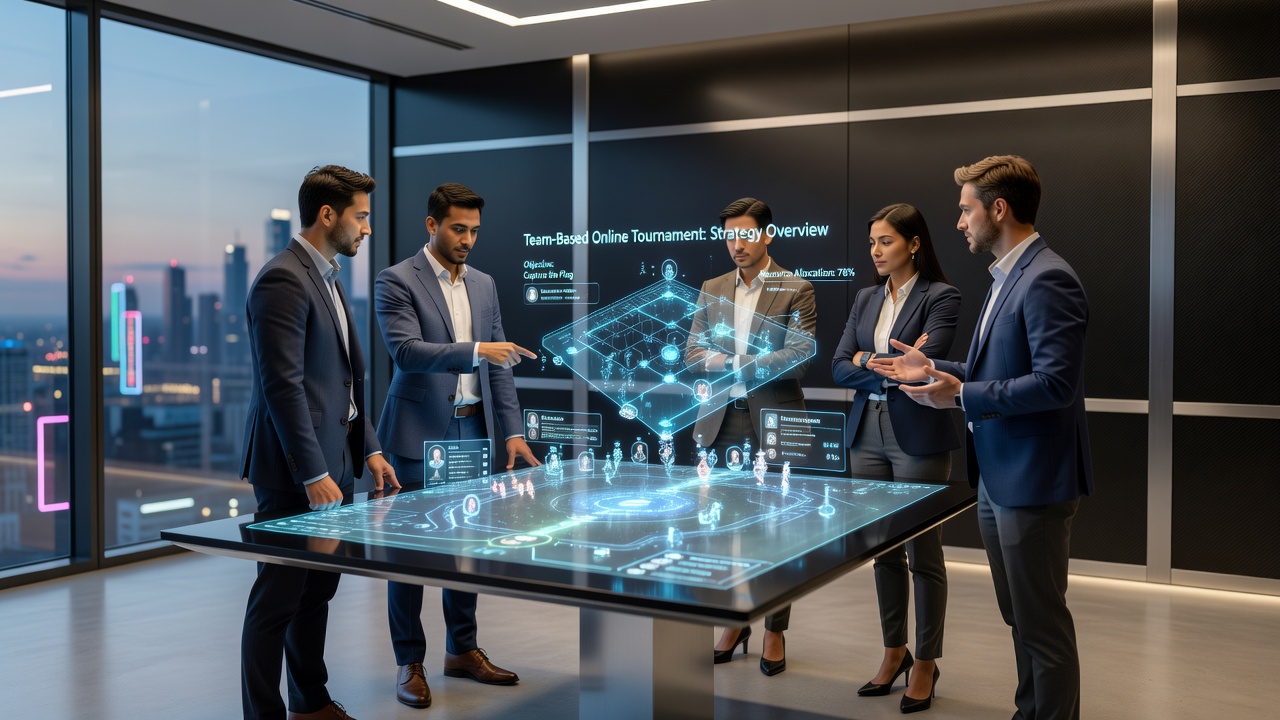
Applications Across Game Genres
Strategy titles that emphasize map control and resource allocation have seen the clearest uptake, yet developers of fast-paced shooters have also tested the tables for reviewing kill zones and flanking routes. In one documented case from a European circuit, a squad used the system to overlay predicted opponent trajectories onto a holographic replica of a contested objective area, which allowed them to adjust positioning within two minutes of receiving updated scouting data.
Mobile and console-based competitions have adopted scaled-down versions that connect to standard tournament networks. These compact units maintain core projection capabilities while fitting into smaller venue spaces. Statistics compiled by the Asia-Pacific Esports Federation indicate that teams using the technology across multiple regions reported consistent improvements in plan execution accuracy during scrimmage reviews.Training and Accessibility Considerations
Training programs now include modules that teach players how to interpret volumetric data without relying on verbal descriptions alone. Universities offering esports management courses have added laboratory sessions where students practice building and dissecting three-dimensional scenarios on similar equipment. The approach helps participants develop spatial reasoning skills that transfer directly to match situations.
Accessibility options include voice-command overlays and adjustable projection heights, which accommodate users with varying mobility needs. Equipment suppliers provide calibration routines that align the holographic field with individual sight lines, ensuring consistent visibility regardless of seating arrangement.Conclusion
Adoption patterns show holographic projection tables functioning as shared interfaces that convert complex game information into accessible three-dimensional formats. Tournament records from 2025 and 2026 demonstrate measurable reductions in planning cycle times alongside higher rates of coordinated execution. As hardware continues to integrate with existing analytics platforms, the systems supply a consistent method for teams to align on tactics ahead of competition. Continued refinement of projection resolution and multi-user tracking will determine how widely these tools spread through additional circuits in coming seasons.