Dynamic Lighting Models Adapt to Player Movement Patterns in Exploration-Focused Adventure Releases
Casey Simon · Sep 24, 2026
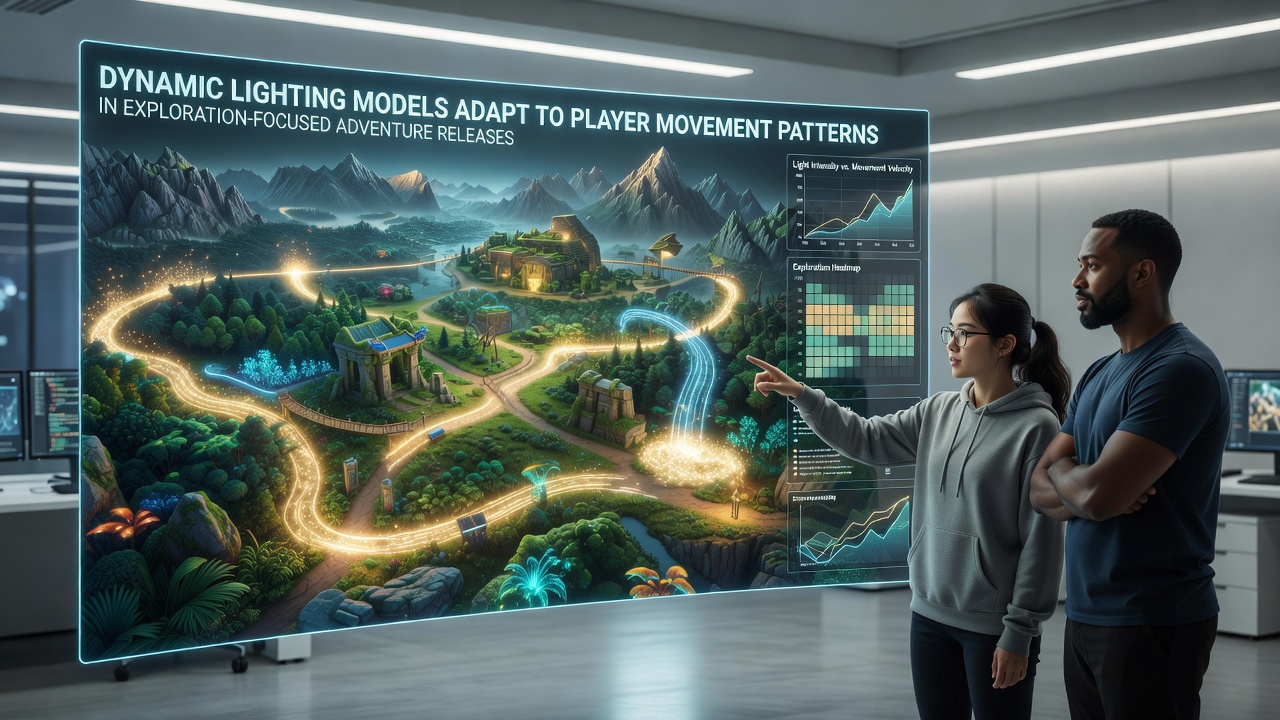
Dynamic Lighting Models Adapt to Player Movement Patterns in Exploration-Focused Adventure Releases
Developers have begun deploying lighting systems that analyze player movement data on the fly and these models adjust brightness, shadow placement, and color temperature according to navigation habits observed during gameplay sessions. Research indicates that such adaptations create more responsive environments in exploration-focused adventure titles where players spend extended periods uncovering hidden paths and secrets.
How Adaptive Lighting Systems Operate
Engineers feed movement logs into machine learning frameworks that track velocity changes, pause durations, and route preferences then the systems recalculate light sources to emphasize areas of interest or obscure less relevant zones. According to findings from the University of British Columbia, these calculations run at sub-millisecond intervals which allows seamless transitions without noticeable lag during extended play.
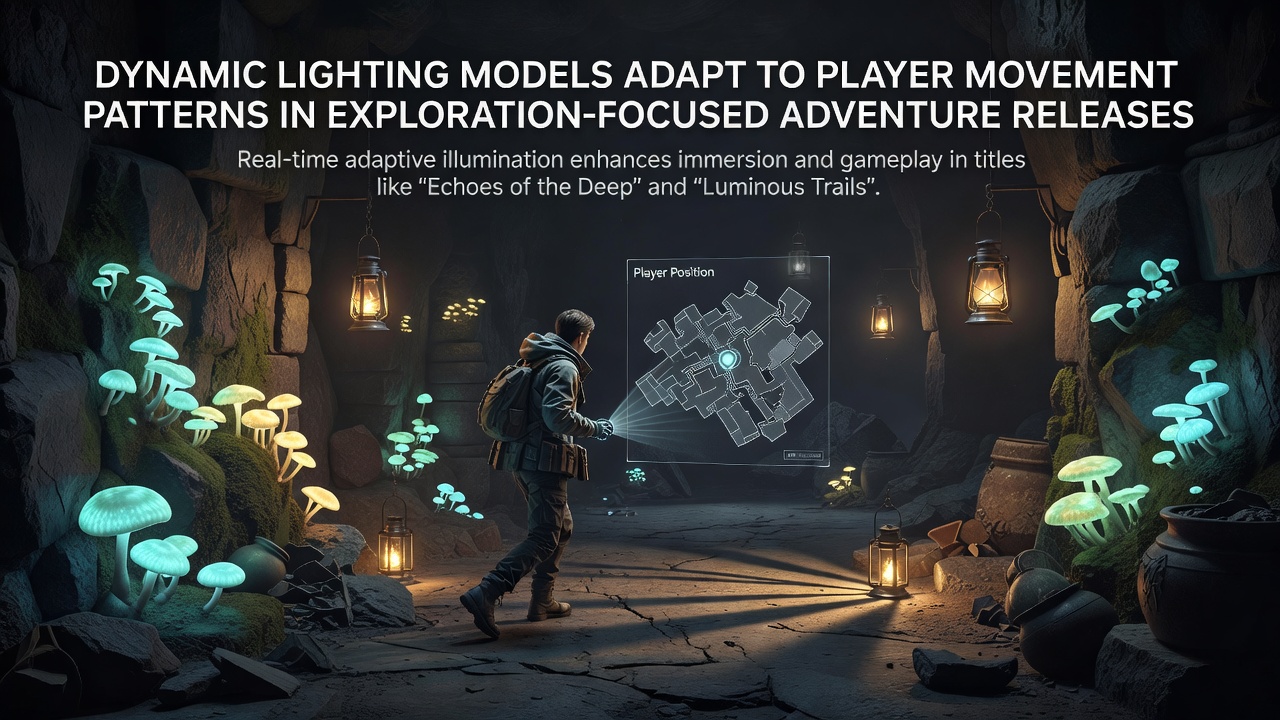
Programmers integrate sensor inputs from controller accelerometers alongside in-game telemetry and the combined data streams train models to predict likely next actions. When a player slows near a wall the lighting might intensify surface details while distant corridors dim to guide attention forward and this process repeats across multiple sessions as the model refines its responses.
Implementation in Recent Adventure Titles
Several studios released updates in early 2026 that incorporated these lighting layers into open-zone adventures and one example shows foliage shadows lengthening or shortening based on repeated backtracking patterns. Observers note that such changes reward deliberate exploration because players who revisit areas encounter altered visibility that reveals previously missed elements.
Data from the European Interactive Software Federation shows increased session lengths in titles using these techniques compared with static lighting baselines. The models also handle multi-player scenarios where individual movement profiles merge into shared environmental responses which maintains consistency across co-operative groups.
Advancements Leading Into September 2026
Hardware improvements in console GPUs and PC graphics cards have enabled wider adoption and developers presented new case studies at industry events throughout the summer. These demonstrations highlighted how movement-pattern lighting reduces the need for manual level design tweaks because the system handles environmental storytelling automatically.
Yet integration challenges remain when legacy engines receive updates and teams must rewrite rendering pipelines to accommodate the additional computation. A report released by the Interactive Games and Entertainment Association of Australia details successful ports that achieved stable frame rates after targeted optimizations.
Effects on Exploration Mechanics
Players often discover that familiar routes feel refreshed because lighting shifts discourage rote navigation and encourage fresh observation. Studies from academic labs in Canada confirm that adaptive illumination correlates with higher rates of secret finding in controlled test environments.
Sound design teams pair these visual changes with subtle audio cues that align when light intensity rises or falls and the combined sensory feedback strengthens immersion without requiring extra assets. The approach scales across different art styles from realistic renderings to stylized worlds because the underlying models focus on positional data rather than specific textures.
Conclusion
Dynamic lighting models continue to evolve alongside player analytics tools and industry figures project broader rollout across adventure releases by late 2026. These systems demonstrate how movement data can directly influence visual presentation in ways that support extended exploration without manual intervention at every turn.